

Last Updated: November 14, 2026
Quick Summary
Recurring commission affiliate programs are worth it when the customer stays long enough for monthly payments to beat a one-time bounty, so calculate the crossover point before joining. A 30% recurring commission on a $30 plan earns $108 across twelve months, beating a $100 one-time payout in month twelve.
- A one-time $100 payout beats a 30% recurring commission until month twelve.
- SocialPilot pays 20% recurring for up to one year, not lifetime.
- Verify commission rate, duration, cookie window and payout threshold in ten minutes.
- High-ticket programs often cap duration or total earnings per customer.
- Pick one program, verify its terms, and write a plan before promoting.
Table of Contents
- Why Recurring Commission Affiliate Programs Change the Math
- Best Recurring Affiliate Programs for Beginners in 2026
- How Recurring Payment Affiliate Programs Actually Pay Out
- High-Ticket Recurring Affiliate Programs: Bigger Commissions, Stricter Terms
- Highest Paying Affiliate Programs by Commission Rate and Duration
- Standardized Comparison: Program Terms Side by Side
- Net Earnings Scenarios: What Recurring Income Really Looks Like
- How to Vet a Recurring Program Before You Join
- Which Program Fits Your Audience? A Profile-Based Decision Guide
- Start With One Program and a Written Plan
- Frequently Asked Questions
Why Recurring Commission Affiliate Programs Change the Math
Recurring commission affiliate programs pay you every month a referred customer stays subscribed, instead of a single payout after the sale. That structural difference is why a recurring commission can out-earn a bigger one-time bounty over twelve months. This review breaks down the terms, payout mechanics, and realistic math.
A one-time commission rewards the sale; a recurring commission rewards the customer’s decision to stay. Only one keeps paying after you stop promoting.
One-Time Payout vs. Monthly Payment: A Simple Example
Say a program pays a $100 one-time commission on a subscription that costs $30 per month. You earn $100 once. If that customer stays for a year, the vendor collects $360 and you collected $100.
Now switch to a 30% recurring commission on the same $30 plan. You earn $9 per month, or $108 across twelve months, and it keeps going as long as the customer renews. The one-time payout wins in month eleven. The recurring payout wins in month twelve and every month after.
That crossover point is the only number that matters when comparing offers. Most beginners compare headline rates and never calculate it.
Best Recurring Affiliate Programs for Beginners in 2026
The best recurring affiliate programs for beginners have clear, published commission terms, low traffic requirements, and products your audience already understands. Our affiliate marketing product listings collect programs worth shortlisting.
Where a rate or duration could not be confirmed, the entry says so.
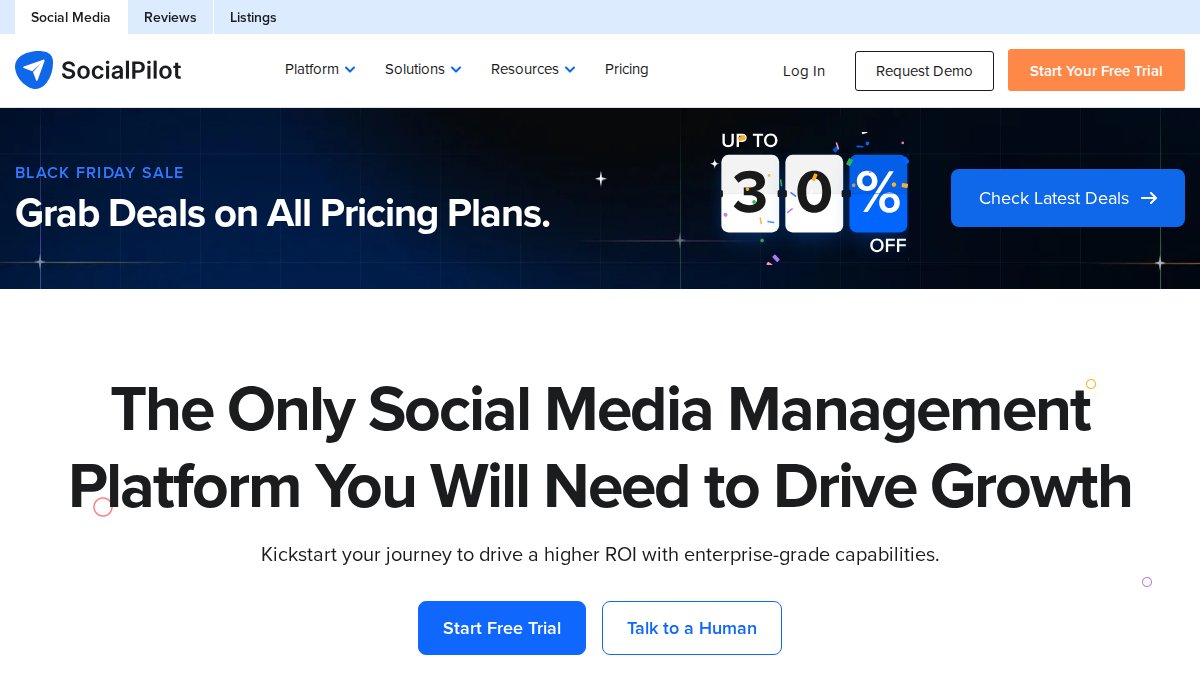
SocialPilot Partner Program is described in the supplied research as paying a recurring commission for a limited period after a referred customer subscribes.
GetResponse Affiliate Program appears in GetResponse’s own guide to recurring affiliate programs, making it a sensible starting point for email marketing audiences.
Systeme.io Affiliate Program is a program covered in recurring commission roundups.
Kit (ConvertKit) Affiliate Program is a program that may suit creator and email-marketing audiences. The supplied results do not state its commission rate or duration.
| Program | Commission Type | Duration | Best For | Verify Before Joining |
|---|---|---|---|---|
| SocialPilot Partner | 20% recurring | Up to 1 year | Social media tool audiences | Eligibility and payout terms |
| GetResponse | Recurring (rate not stated) | Not stated | Email marketing audiences | Rate and duration |
| Systeme.io | Recurring (rate not stated) | Not stated | Online business tool audiences | Rate and payout schedule |
| Kit (ConvertKit) | Recurring (rate not stated) | Not stated | Creator and email audiences | Rate and eligibility |
How to Verify a Beginner Program in Ten Minutes
Because three of the four entries above leave terms unconfirmed, fast verification is the practical beginner skill. Open the program’s affiliate page and check four things in order: the commission rate and whether it is flat or tiered, the duration and whether it is lifetime or capped, the cookie window, and the payout threshold. If any is missing from the public page, that absence is information: the terms likely sit behind an application, and you should not build content until approved.
Watch out: a program that advertises a recurring rate but hides the duration in its terms of service may pay on a short window that resets on plan changes, quietly cutting your effective commission below the headline number.
What Beginners Should Ignore
Headline rate is the least useful number for a beginner, whose bottleneck is traffic and trust, not rate optimization. A 20% recurring program on a tool your audience already uses will almost always out-earn a 40% program on a product you must explain from scratch. Pick the category your audience already searches, confirm the four terms above, then compare rates.
How Recurring Payment Affiliate Programs Actually Pay Out
Recurring payment affiliate programs pay a percentage of each subscription payment the referred customer makes, usually monthly, and usually after a holding period. That holding period exists to cover refunds, and it is the single most misunderstood part of the model.
Many programs hold commissions for a set period before releasing them, then pay on a schedule that varies by program. Refer two customers on a low-cost plan and you may wait months to clear that threshold.
Recurring commission structures vary in three ways that matter. First, the rate: a flat percentage of every payment, or a tiered rate that rises with volume. Second, the duration: lifetime, a fixed number of months, or capped at a total dollar amount. Third, the basis: some programs pay on the full subscription price, others exclude taxes, add-ons, or discounted first months.
Cookie Duration, Attribution, and the Edge Cases That Cost You Money
Attribution decides who gets paid, and it is where affiliates quietly lose income. A 30-day cookie window means a reader who clicks your link and subscribes 45 days later earns you nothing. Longer windows favor content marketers who nurture slow buyers; shorter windows favor paid traffic with immediate intent.
Three edge cases deserve attention. A customer who subscribes through your link but upgrades later may generate commission only on the original plan tier. A customer who cancels and resubscribes may reset the commission clock entirely. And a customer who clears cookies or switches devices mid-journey may be attributed to nobody. Read the program terms for each before assuming the payout.
High-Ticket Recurring Affiliate Programs: Bigger Commissions, Stricter Terms
High-ticket recurring affiliate programs pay larger absolute commissions because the underlying subscription costs more, but they compensate with stricter approval processes, longer holding periods, and tighter attribution rules. A percentage of a bigger number is still a bigger number, which is why experienced affiliates gravitate here.
The trade-off is access. High-ticket programs frequently require an application, an audience review, or a track record before approval. Some restrict how you may advertise, ban certain traffic sources, or require content pre-approval. None of that is unreasonable, but you cannot assume you will be accepted.
Our advice is to apply before you build. Writing ten articles for a program that rejects you is a costly mistake, and one of the most common we see beginners make.
Why This Section Does Not Name Programs
Most roundups covering high-ticket recurring programs list brand names with a rate attached, and the lists rarely agree because high-ticket terms are frequently negotiated, gated behind an application, or changed without public announcement. Rather than repeat a list we cannot verify against primary sources, this section covers the decision framework and the terms you must confirm yourself. For named options, use the affiliate marketing product listings and verify each program’s current terms on its own affiliate page.
The Terms That Separate a Good High-Ticket Offer From a Bad One
Four terms decide whether a high-ticket recurring program is worth your time, and they matter more here than in low-ticket categories because the absolute dollars at stake are larger.
Commission basis and exclusions. Confirm whether the percentage applies to the full subscription price or excludes taxes, add-ons, onboarding fees, and discounted first months.
Duration and caps. A lifetime commission on a high-ticket plan is the strongest structure available, but many programs cap either the duration or the total dollar amount you can earn per customer.
Holding period and clawback. High-ticket programs tend to hold commissions longer because refunds and chargebacks are larger.
Attribution on upgrades and plan changes. High-ticket customers often start on a smaller plan and upgrade later.
Approval Friction Is a Planning Input, Not a Rejection
Treat the application as a filter you can prepare for. Programs that review audiences typically want topical relevance, a real content history, and traffic matching their customer profile. A site with a handful of focused reviews in the program’s category usually clears review faster than a larger general site with no clear niche. If a program requires content pre-approval, build that step into your publishing calendar.
Watch out: some high-ticket programs prohibit coupon, cashback, or paid-search promotion of their brand terms, and violating those rules can void commissions retroactively, so read the traffic-source restrictions before you run any paid campaign.
Who Should Actually Pursue High-Ticket Recurring Programs
High-ticket recurring programs reward affiliates with an established audience and a content format that supports long consideration cycles: deep reviews, case studies, implementation guides, and comparison pages. If you are starting from zero, a low-ticket program in a category your audience already searches is the better first move, because you can build trust and traffic before taking on approval risk. Come back to high-ticket offers once you have a track record, and apply before you build.
Highest Paying Affiliate Programs by Commission Rate and Duration
The highest paying affiliate programs are not always the ones with the biggest headline percentage. A 40% commission that lasts three months often pays less than a 20% commission that lasts three years, and the math is not close once retention is factored in.
Duration is the multiplier. A rate applied to a long duration compounds; a rate applied to a short window does not. That is why lifetime commission offers dominate long-term earnings comparisons, and why a modest lifetime rate frequently beats a headline-grabbing one-year deal.
Two more variables belong in your ranking. Customer retention determines how many payments you actually collect, and churn rate determines how fast they stop. A high-rate program selling to a churn-heavy audience can underperform a modest program selling to a sticky one.
Standardized Comparison: Program Terms Side by Side
Comparing programs fairly means scoring the same variables for each one, in the same order, using the same scale. Most reviews compare different things and call it a comparison. Here is the checklist we use, and you can apply it to any program in minutes.
- Commission rate: exact percentage, and whether it is flat or tiered
- Commission duration: lifetime, fixed months, or capped total
- Commission basis: full price, or excluding taxes and add-ons
- Cookie duration: days from click to signup
- Attribution model: last click, first click, or other
- Payout threshold: minimum balance before payment
- Payment schedule: monthly, quarterly, or on request
- Payment methods: which options are supported
- Refund and clawback policy: what reverses a commission
- Eligibility requirements: application, audience size, traffic rules
- Eligible products and tiers: which plans actually pay
- Affiliate support: dashboard quality and response time
Score each program one to five on every line, then weight duration and retention highest. That weighting is the part most people skip, and it is the part that changes the ranking.
Net Earnings Scenarios: What Recurring Income Really Looks Like
Net earnings from a recurring program depend on three inputs: how many referrals convert, how long those customers stay, and what the program actually pays after exclusions. Change any one and the projection moves sharply.

Run three scenarios instead of one. A conservative case assumes few referrals and short retention. A middle case assumes steady referrals and average retention. An optimistic case assumes strong referrals and long retention.
Before you rely on any projection, read our earnings disclaimer to understand what these figures do and do not represent. Projections are models, not promises, and the difference matters when you are deciding where to spend your hours.
How to Vet a Recurring Program Before You Join
Vetting a recurring program means verifying the commission terms against the program’s own documentation, not against a review article. Reviews go stale. Terms change. The program’s affiliate page is the only source that counts.
Start with the commission page and confirm the rate, duration, and basis in writing. Then read the terms of service for the clawback and attribution clauses, where the surprises usually live.
What most guides miss is the retention question. Ask the program, or its existing affiliates, how long a typical customer stays. A generous rate on a product nobody renews is worth less than a modest rate on one people keep.
If content is your channel, our guide to creating content that converts for affiliate sales covers how to structure reviews and comparisons that actually drive signups.
Which Program Fits Your Audience? A Profile-Based Decision Guide
The right program is the one your audience already needs, not the one with the best rate card.
If your audience is creators and newsletter writers: prioritize email and creator tools. Kit fits this profile well because the audience already lives in that category.
If your audience is small business owners: social media and marketing tools convert steadily.
If your audience is aspiring online business builders: tools that support course, funnel, and storefront building suit them. Systeme.io appears in recurring program roundups for exactly this reason.
If your audience is marketing teams: email platforms with established affiliate programs, such as GetResponse, are the natural fit.
Once you have picked a category, browse products you can promote to see what is actually available before you commit.
Start With One Program and a Written Plan
Joining many programs at once makes it harder to track results. Pick one program, verify its terms, and write a plan that names your audience, your content format, your publishing cadence, and the metric you will check each month.
That is where we come in. Affiliate Kelley’s Profit Review Hub publishes reviews, product insights, and beginner-friendly guides to help you make this decision. If you are new to the model, start with our explanation of what affiliate marketing is and how it works before comparing payout structures.
The challenge is not finding programs. It is choosing one, understanding its terms, and sticking with it long enough for the recurring math to work. Get started with Affiliate Kelley’s Profit Review Hub and build a plan you can actually follow.
Frequently Asked Questions
How do recurring commission affiliate programs work?
You earn a percentage of what a referred customer pays, and that percentage repeats for as long as the program’s commission window allows. SocialPilot, for example, pays 20% recurring for up to one year after a referred customer subscribes. The key variables are the commission rate, how long it recurs, and whether it stops when the customer downgrades, cancels, or requests a refund. Read those three terms before you promote anything.
How long do recurring commissions usually last?
It varies by program, and the supplied research only confirms one figure clearly: SocialPilot’s one-year window. Other programs listed in recurring-commission roundups, including GetResponse, Systeme.io, and Kit, do not publish their duration in the sources reviewed here. Treat any duration claim as unverified until you read it on the program’s own affiliate terms page. A lifetime commission and a 12-month commission can differ by thousands of dollars over a few years.
Are recurring commission programs better than one-time commission programs?
They pay more per customer over time, but only if the customer stays. A one-time commission pays once and you move on. A recurring commission depends on customer retention, so a high churn rate erodes the advantage. If you promote a tool people keep using, recurring wins. If you promote something people buy once and abandon, the one-time payout is often cleaner and easier to forecast.
How can you tell if a recurring commission affiliate program is legitimate?
Check three things on the program’s own site, not a roundup post. First, published commission terms: rate, duration, and what happens on refund or cancellation. Second, a real payout threshold and payment schedule. Third, a named company behind the program with a working product. If a program lists a commission rate but no duration or payout terms, treat it as unverified and hold off until you find the primary source.
Can you make a full-time income from recurring affiliate commissions?
Some affiliates do, but it takes a steady flow of referred customers who stay subscribed. Model it honestly: pick a realistic commission per customer, multiply by referrals per month, then subtract churn. A program paying a modest monthly commission on 50 retained customers can beat a large one-time payout, but only after months of consistent promotion. Start with one program, track your conversion rate, and scale what converts.







0 Comments